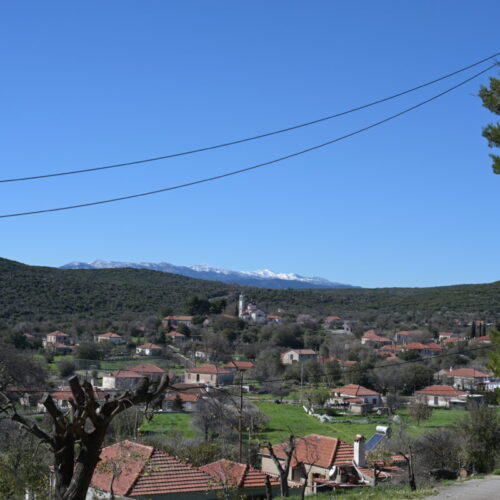
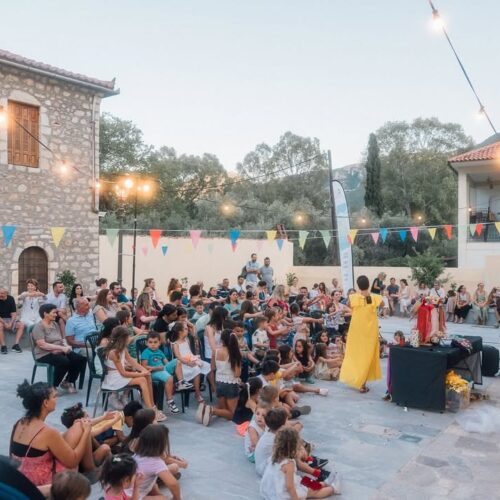
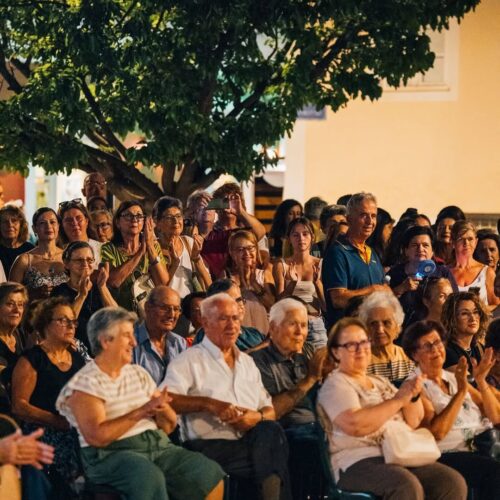
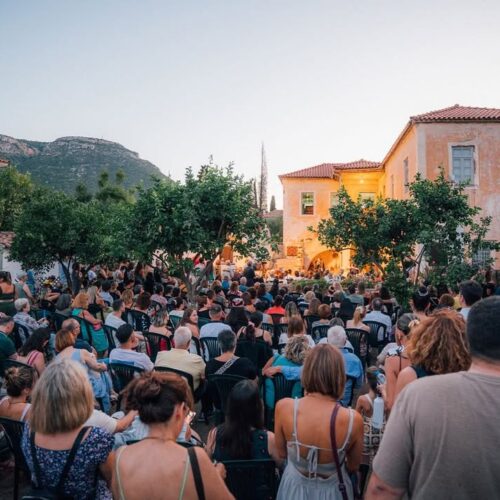
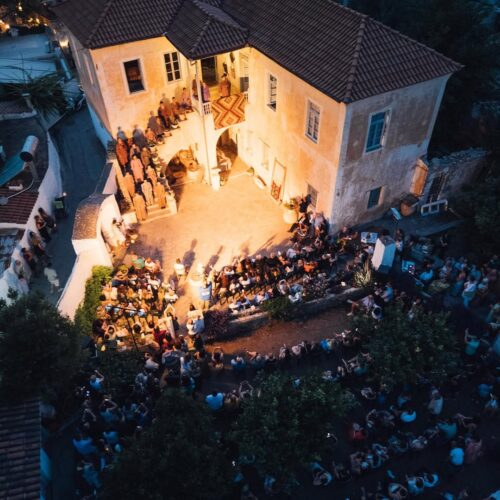
Pigadi is a small mountain village in Southern Kynouria, situated at an elevation of 570 meters, a relatively short distance from Leonidio. It is part of the mountainous cluster of villages in the Parnonas range and retains the characteristics of a traditional rural settlement, closely tied to the natural landscape and the historical development of the region.
Its history as an officially recognized settlement dates back to the late 19th century, as it was incorporated into the then-municipality of Mariou in 1897. A few years later, in 1912, the community of the same name was established, with the village itself as its seat, a fact that underscores its position within the local administrative structure of the time.
Today, according to the Kallikratis Plan, Pigadi, together with Loggari and Fokiano, forms the Local Community of Pigadi, which is part of the Municipal Unit of Leonidio within the Municipality of South Kynouria. Although it is a small settlement, Pigadi is a typical example of the region’s mountain communities, where the natural environment and historical continuity continue to shape the local identity.
Alina designed the seal for the community of Pigadion
Alina Kashitsyna
Find the stamp at Glystras Tavern
Please contact George Moriaitis by calling 6979304480
Alina Kashitsyna is a Ukrainian multidisciplinary artist, landscape and interior architect, based in Athens. Having been trained from a young age in classical music and the visual arts, she holds a degree in Landscape Architecture from the St. Petersburg Academy of Forestry and a degree in Architecture and Interior Design from the University of West Attica. Since 2018, she has participated in exhibitions and artistic events in Greece and internationally, working in a field that combines the visual arts, architecture, sound design, and set design. Alina Kashitsyna’s practice explores the historical, cultural, and contemporary realities of Ukraine in times of war through research-based, metaphorical approaches and a wide range of media. Her work explores themes of displacement and the “lost homeland,” while seeking to affirm Ukraine’s presence in the broader cultural landscape of Europe and to foster a deeper awareness of the ongoing war in her country.