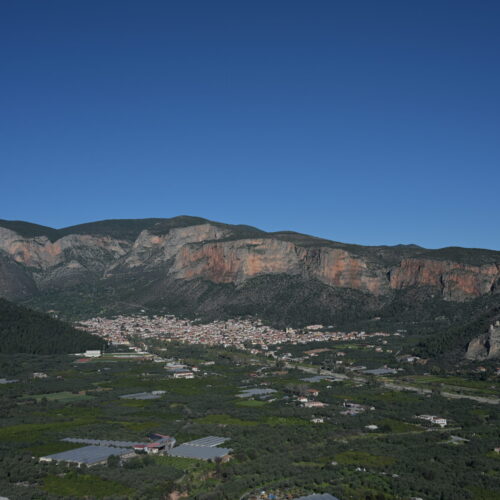


Leonidio is located on the eastern coast of the Peloponnese, at the foot of Mount Parnonas, about 200 kilometers from Athens. Built in the fertile valley of the Daphnonas stream and a short distance from the Myrtoan Sea, it serves as the administrative and historical center of southern Kynouria and Tsakonia, a region with a distinct cultural identity. The landscape of the town is striking: a sheer red cliff approximately 250 meters high rises above the town, while a plain dotted with crops and small gardens stretches out around it, ending at the sea.
The region has a long history dating back to antiquity. Near the present-day port of Plaka stood the ancient city of Prasies, which is already mentioned in the list of cities in the *Iliad*. The city experienced various periods of rule—from the Spartans to the Romans—while the area is also linked to mythological traditions associated with Dionysus.
During the Byzantine and post-Byzantine periods, life in the region shifted mainly to mountain settlements, such as Prastos, which served as the center of Tsakonia for centuries. Leonidio itself appears in historical sources as early as the 17th century and gradually gained greater importance. A decisive moment was the destruction of Prastos by Ibrahim’s forces in 1826; at that time, a large portion of the population moved to Leonidio, which developed into the region’s new administrative and economic center.
In the 19th and early 20th centuries, the city experienced growth thanks to trade and agriculture. The connection to Piraeus via maritime transport enabled the export of agricultural products, while mansions and public buildings were constructed, shaping the settlement’s distinctive architectural character. In 1924, the first town plan was drawn up, and in the postwar period, Leonidio remained the main center of Tsakonia.
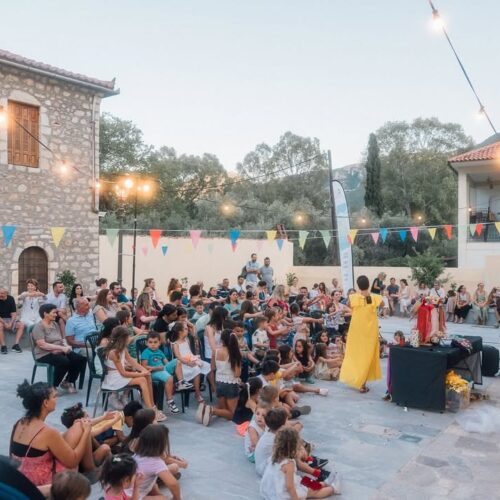
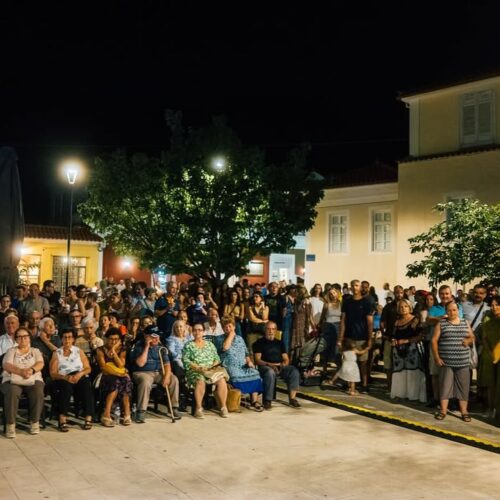
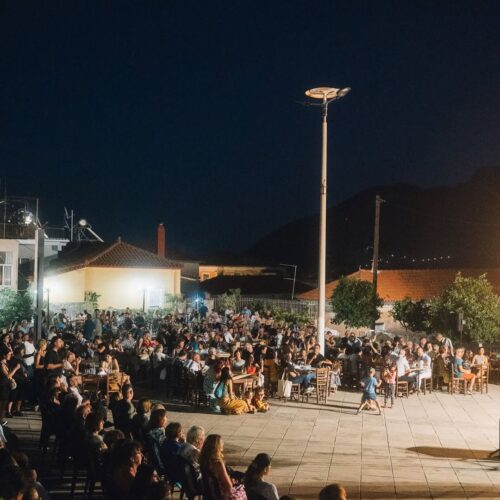
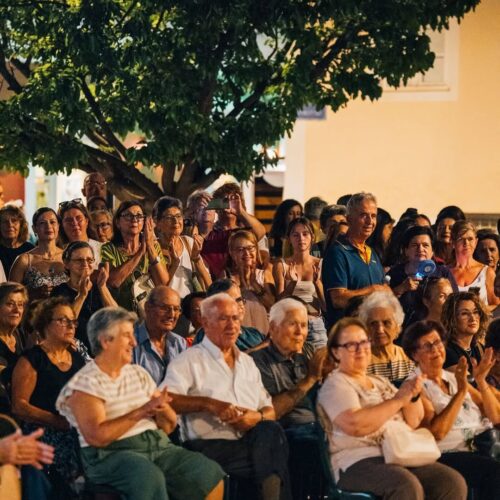
Today, Leonidio is a vibrant traditional village that maintains a strong connection to the Tsakonian cultural heritage. The Tsakonian dialect—a rare linguistic continuation that appears to be linked to ancient Doric—is an important element of local identity, while distinctive customs, such as the Tsakonian dance and Easter rituals, also survive.
The local economy is based on the fertile plain that stretches all the way to the sea. Olives, citrus fruits, and fruits and vegetables are grown there, with the most famous product being the Tsakonian eggplant. At the same time, in recent years, Leonidio has become a major destination for alternative tourism, mainly thanks to the internationally renowned rock-climbing area on the cliffs of Mount Parnonas.
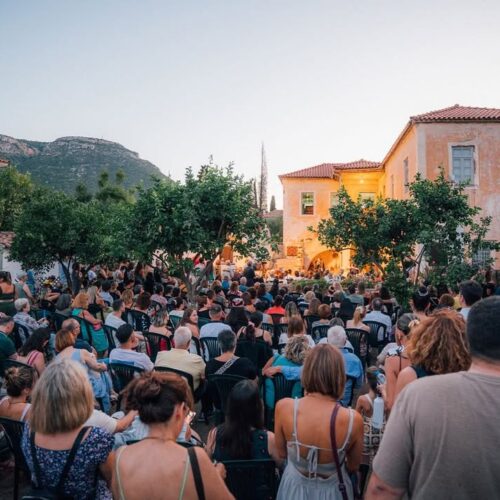
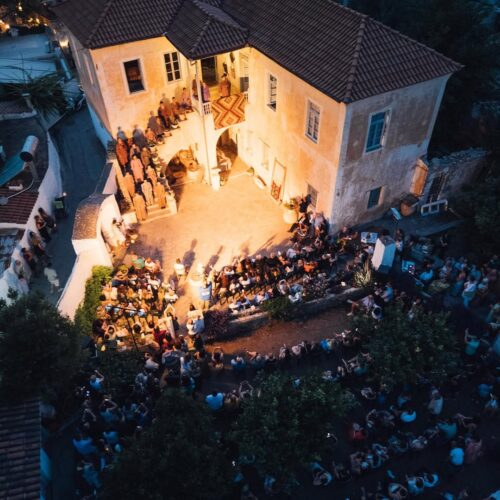
The village’s current appearance blends traditional architecture with modern life. Tower houses, tree-lined courtyards, narrow alleys, and churches coexist with small shops, cafés, and cultural venues. Leonidio is thus a place where the natural landscape, historical memory, and everyday life intertwine, creating a unique atmosphere that remains distinctly recognizable and authentic.
Dimitris Kostopoulos designed the seal for the community of Leonidio

Δημήτρης Κωστόπουλος

Find the stamp at the Culture Factory
Please contact Simona Tsouka by calling 6970836224
He initially studied law in Athens, but interrupted his studies to continue at the Vakalo School in Athens and then at the Kent Institute of Art & Design in the United Kingdom, where he studied graphic design and illustration, respectively.
After completing his military service, he worked in advertising in Athens and Patras as an art director.
Το 2007 ιδρύει στην Πάτρα το δημιουργικό γραφείο Vox pop design studio όπου και εργάζεται έως σήμερα.