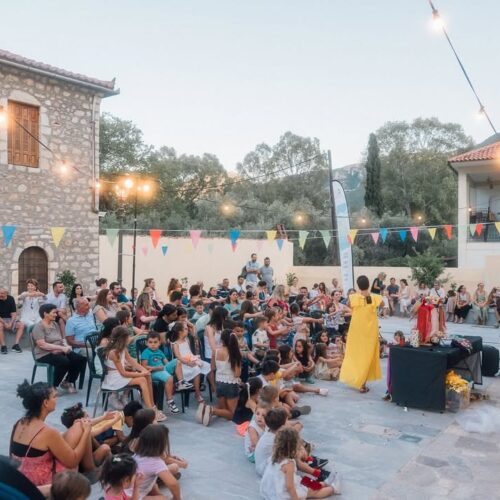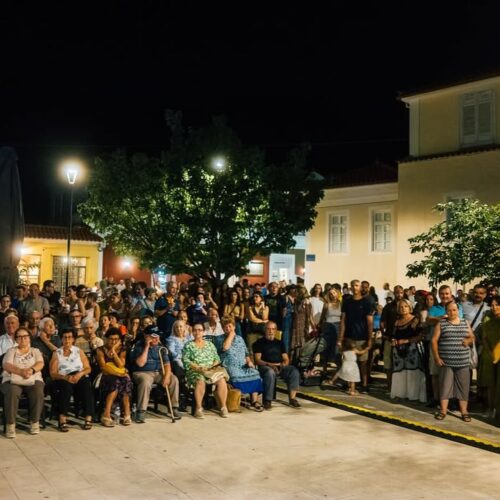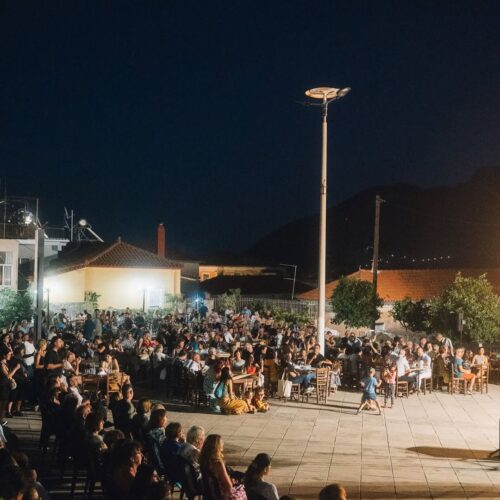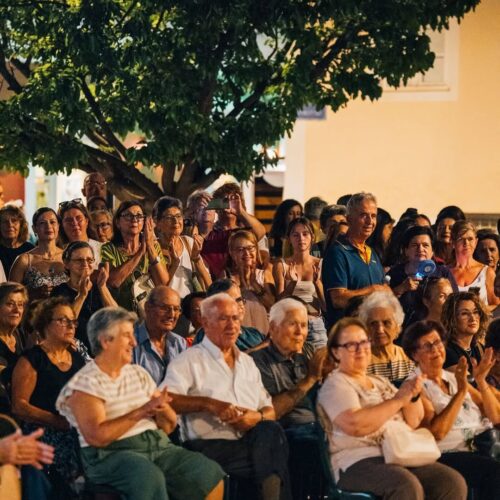


Peleta is a historic mountain village in Southern Kynouria, built on a plateau at the northern foothills of Madara, in the Parnonas mountain range, at an elevation of 652 meters. Its location, near the border with Laconia, gives it special geographical significance, while the natural landscape of the area combines mountainous terrain with farmland and traditional agricultural activities. Peletá belongs to the so-called “Kounoupochoria” (Village of Kounoupia), along with Kounoupia, Amygdalia, Pigadi, Vlisidia, and Chouni.
The village is first mentioned during the Ottoman period and was once an important regional center. Thanks to its geographical location, it served for many years as a local commercial hub, supplying the wider inland area. In earlier times, it had a police station, shops, tailors, restaurants, shoe repair shops, and a pharmacy—a testament to its economic and social influence. Its architecture strongly reflects local traditions, with numerous two-story stone houses, while its residents were primarily engaged in agriculture and livestock farming, with the region’s vineyards enjoying a particularly strong reputation.
The Peletes sinkhole, located southeast of the village at a place called “Kato Kampos,” is of particular natural and geological interest. It is one of the deepest caves in Greece, a fact that gives the area unique scientific and tourist value.
In its modern administrative history, the settlement was first officially mentioned in 1845, when it was incorporated into the municipality of Selinounta. In 1912, it was designated the seat of the community of the same name, and from 1913 to 1940, its name was recorded as Pelota, before reverting to its current form. To this day, Peleta remains a settlement with a strong historical character, where the natural environment, traditional architecture, and the memory of its former glory combine to form its unique identity.
Maria Varela designed the seal for the community of Peleta
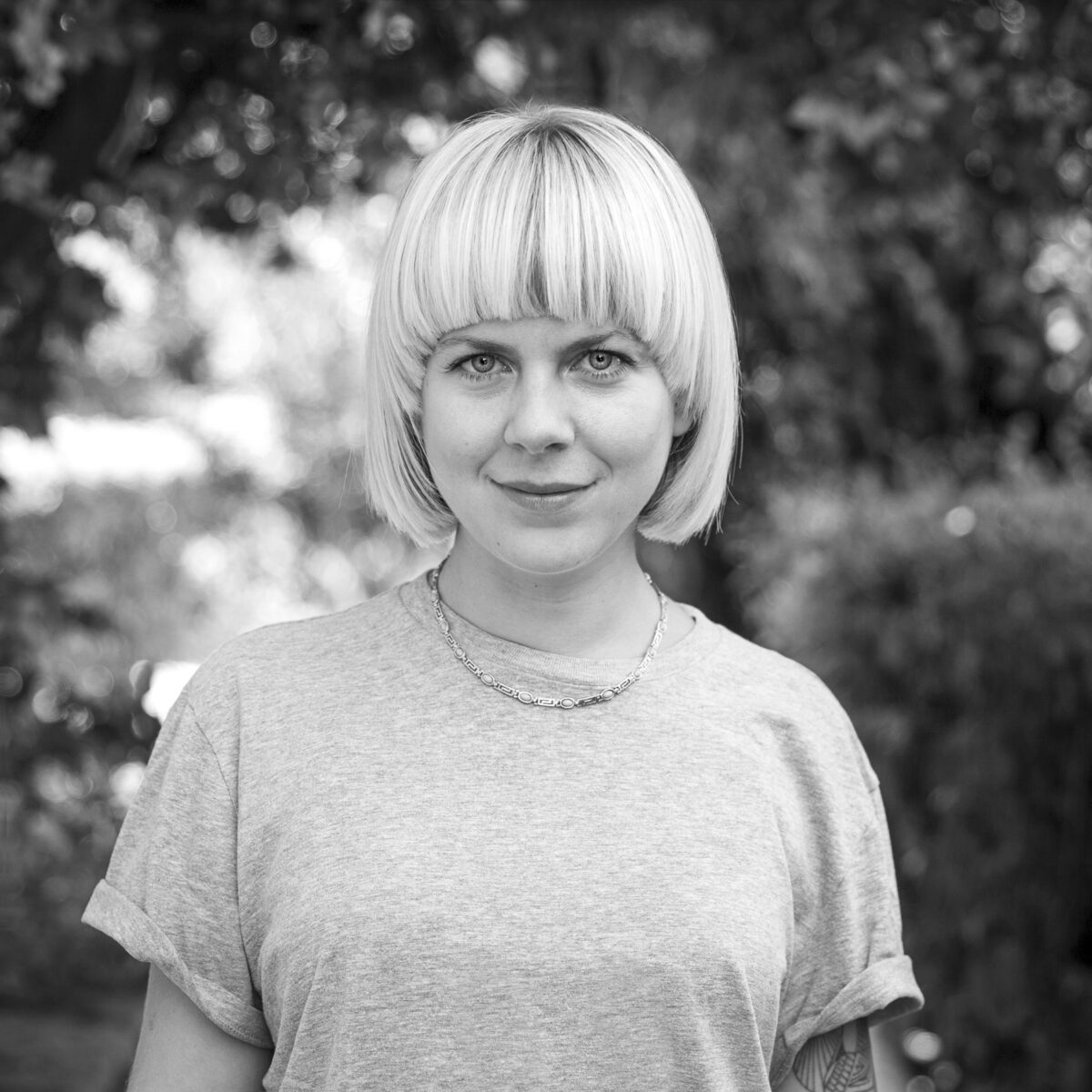
Μαρία Βαρελά

Find the stamp at the Restaurant - Taverna O PETROS
Please contact Yiannis Vrettakis by calling 6940402588
Η Μαρία Βαρελά είναι εικαστικός και επίκουρη καθηγήτρια του Τμήματος Εικαστικών και Εφαρμοσμένων Τεχνών του Πανεπιστημίου Δυτικής Μακεδονίας. Η έρευνά της επικεντρώνεται στις δημιουργικές χρήσεις των νέων τεχνολογιών, στην υφαντική ως μέσο οπτικοποίησης δεδομένων και στην καλλιτεχνική παραγωγή σε συνεργασία με κοινότητες γυναικών. Εστιάζει σε τρόπους με τους οποίους αρχειακό υλικό μεταγράφεται από το ψηφιακό περιβάλλον στον υλικό κόσμο. Μέσα από εγκαταστάσεις και δράσεις, διερευνά ζητήματα ταυτότητας, μνήμης, παράδοσης και τους τρόπους με τους οποίους αυτά διαμορφώνονται. Aπό το 2024 το έργο της παρουσιάζεται στη μόνιμη συλλογή του μουσείου Mucem της Μασσαλίας, ενώ το 2021 βραβεύτηκε με το Selected Art Award από το Taoyuan Museum of Fine Arts της Ταϊβάν. Έχει παρουσιάσει τη δουλειά της σε πολυάριθμες εκθέσεις διεθνώς σε μουσεία και ιδρύματα όπως: No Country for Young Men (Bozar – Palais des Beaux-Arts, Βρυξέλλες),19th Contemporary Art Festival Sesc_Videobrasil (Sesc Pompeia, Σάο Πάολο), Future Past – Past Future: Transmediale (Βερολίνο), 16th International Media Art Biennale WRO (Βρότσλαβ), Plásmata II (Στέγη Ιδρύματος Ωνάση, Ιωάννινα), Circular Cultures – Milano Design Week (Στέγη Ιδρύματος Ωνάση – Βρετανικό Συμβούλιο, Μιλάνο), Εικαστικοί Διάλογοι (Στέγη Ιδρύματος Ωνάση, Αθήνα), Συμβιωτικά (ΕΜΣΤ, Αθήνα), Statecraft (ΕΜΣΤ, Αθήνα), Εκ Νέου (ΕΜΣΤ, Αθήνα), Handmade (ΕΜΣΤ – Schwarz Foundation – Art Space Pythagorion, Σάμος), Natura Naturans: Άνθρωποι, Φύση, Τοπίο (MOMus, Θεσσαλονίκη),The Event of the Thread (MOMus, Θεσσαλονίκη) μεταξύ άλλων. Έχει πραγματοποιήσει επιτόπιες έρευνες μέσω προγραμμάτων καλλιτεχνικής διαμονής στη Ταγγέρη (Art Explora), στο Μιλάνο (Casa Base), στη Τήνο (The inherited Earth), στο Σουφλί (Μουσείο Τέχνης Μεταξιού), στο Σεφρού (Cultures Vultures) και στο Μέτσοβο (Μπιενάλε Δυτικών Βαλκανίων). Έχει δημοσιεύσει καλλιτεχνικό και θεωρητικό έργο και έχει συνεισφέρει με κεφάλαια σε διεπιστημονικούς συλλογικούς τόμους. Since 2024, her work has been on display in the permanent collection of the Mucem museum in Marseille, and in 2021 she was awarded the Selected Art Award by the Taoyuan Museum of Fine Arts in Taiwan. She has presented her work in numerous international exhibitions at museums and institutions such as: *No Country for Young Men* (Bozar – Palais des Beaux-Arts, Brussels), the 19th Contemporary Art Festival Sesc_Videobrasil (Sesc Pompeia, São Paulo), *Future Past – Past Future: Transmediale (Berlin), 16th International Media Art Biennale WRO (Wrocław), Plásmata II (Onassis Foundation, Ioannina), Circular Cultures – Milano Design Week (Onassis Foundation – British Council, Milan), Visual Dialogues (Onassis Foundation, Athens), Symbiotic (EMST, Athens), Statecraft (EMST, Athens), Anew (EMST, Athens), Handmade (EMST – Schwarz Foundation – Art Space Pythagorion, Samos), *Natura Naturans: People, Nature, Landscape* (MOMus, Thessaloniki), *The Event of the Thread* (MOMus, Thessaloniki), among others. She has conducted field research through artist-in-residence programs in Tangier (Art Explora), in Milan (Casa Base), on Tinos (The Inherited Earth), in Soufli (Silk Art Museum), in Sefrou (Cultures Vultures), and in Metsovo (Western Balkans Biennale). She has published artistic and theoretical works and has contributed chapters to interdisciplinary anthologies.
My work focuses on exploring the relationship between technology, materiality, and cultural memory through hybrid forms of artistic expression such as textiles, installations, video, and ritual actions. Taking as my starting point the craftsmanship and narrative structures embedded in motifs, symbols, and materials, I explore the female experience, tradition, and the concept of collective identity. My collaborations with women’s communities and traditional artisans serve as spaces for exchange, where, through technological tools, I create artifacts of speculative cultural continuity as well as transformation. I approach traditional and applied art through the methodology of reverse engineering, analyzing its structural units as carriers of cultural information. I am interested in how techniques such as weaving or classification are transformed into systems of representation. I experiment with ways in which archival material is transcribed from the digital environment into the physical world. I create digital and physical objects, systems, and actions while exploring concepts such as identity, memory, tradition, and their constructions.